

Have you ever looked up how much SEO costs and felt like you fell into a hole of prices that didn’t make sense? You’re not the only one! Setting an SEO budget can be difficult for many business owners, like when they’re not sure how to hit a moving goal. So, we need to break this problem down. In fact, it’s very important to know how much SEO really costs because it’s not just a regular expense, but an investment in long-term digital assets. Let’s figure out how much you should really be spending in order to grow in a manner that remains.
Why Your SEO Budget is a Growth Investment, Not a Cost?
Thinking of SEO as just a cost is a big mistake. Instead, you should think of it as an investment in the foundation of your business, like putting together a useful asset. Paid ads, for instance, stop working as soon as you stop paying for them. SEO, on the other hand, builds long-term value that grows over time. So, each improved page and high-quality link forever improves your online property, giving you an ongoing supply of free visitors and sales for years to come. In the end, this important shift in viewpoint is what makes the difference between companies that just spend money and companies that actually grow.
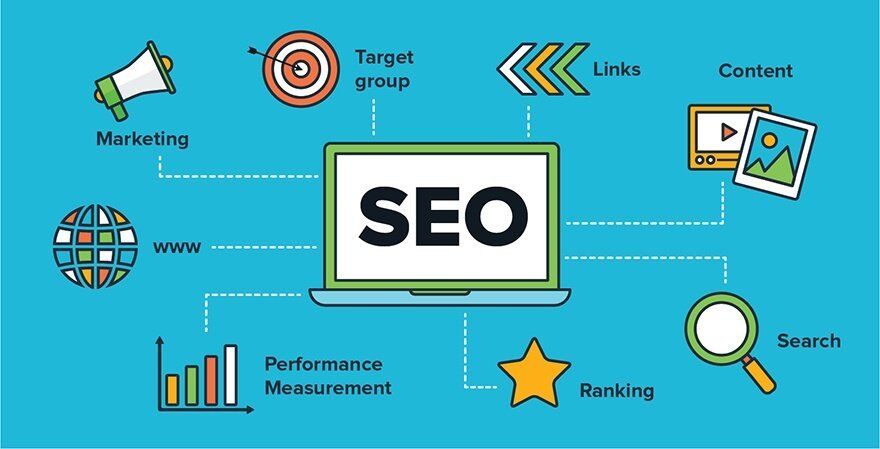
Four Key Forces That Determine Your SEO Budget
If you’re still not sure why one company needs so much more money than another, these four main factors are almost always responsible for it. These are the main market forces that determine how much professional work and time your website needs to succeed.
-
The Fierceness of Your Competition and Market Size
How much SEO costs is mostly based on how popular your goal keywords are? Aiming for the top spots in a big city or a valuable field like medicine or law takes a lot more time, money, and strong backlinks than working on a local area. Higher competition and a high customer lifetime value in these areas mean that you need to spend more to fund the highly competitive strategies you need to get to the top and stay there.
-
Your Website’s Age and Current Technical Condition
Picture your site as a car. A bigger, older site often has a lot of technological burden in the form of mistakes and old code that needs to be fixed before it can grow. Sites that are very complicated and have a lot of e-commerce or membership platforms also need constant, careful technical tracking and specialized knowledge. This amount of initial repair and ongoing maintenance will always require a bigger investment over time.
-
The Speed and Volume of Content Required
Content is a big part of SEO and is necessary for attaining authority. To establish expertise, you need to keep putting out high-quality, expert-level material. It is necessary to pay for the whole content process, from deep research and skilled writing to carefully adjusting existing pages. Because of this, an SEO plan that needs several high-quality articles every month will require a significant portion of the total SEO budget.
-
Provider’s Experience and Engagement Model
Search engine optimization is a business where you get what you pay for. An individual consultant doesn’t charge as much as an experienced business with a dedicated team of specialists. With this investment, you’ll get more knowledge and be able to handle all aspects of SEO at the same time. Most reliable businesses use a monthly fee model, which shows that organic success isn’t a one-time thing but needs constant, hard work and adjustment.
Smart Tips for Maximizing Your SEO Budget
It’s very important to get the most for your money. To make sure your money works as hard as you do, do the following:
-
Start with an Audit
SEO research is an important first step that you should never skip. A professional audit finds the most important technical and strategy problems that are keeping your website from ranking higher right now. This first diagnosis keeps you from wasting money on tasks that aren’t very important. Instead, it helps you carefully focus your investment on the high-impact areas that will give you the biggest and fastest returns on your organic growth.
-
Focus on Long-Tail Keywords
Stay away from keywords with high competition if you want to get the best SEO results. Instead, pay attention to long-tail keywords, which are longer, more detailed phrases. These are easier to rank for and result in more qualified visitors who are further along in the buying process and more likely to make a purchase. This means that they bring in more valuable business.
-
Prioritize Quality Over Quantity
This idea is very important for building links. Getting a few high-quality backlinks from reliable, appropriate websites is much more helpful and efficient. Than getting hundreds of fake, low-quality links. The second option can hurt your site’s image and could even get you a manual penalty from Google. This is why quality is the most important part of a long-term strategy.
-
Measure Everything and Be Patient
Keep an eye on your SEO growth with tools like Google Analytics and Search Console. Don’t forget that SEO is a long-term process. Many businesses start to see benefits in 3 to 6 months. But to get sustained, long-term success, they need to keep working at it and make it better for a longer time.
Final Thoughts
In the end, setting your SEO budget isn’t just about finding the cheapest price. It’s also about planning how you will spend in the online growth of your business. The final amount will depend on your market competition. The health of your website, your content goals, and the provider you choose’s experience. You make good use of your resources when you think of SEO as a long-term tool. Focus on activities that have a big impact, and work with the right team. This methodical technique creates a strong, long-lasting organic presence. That gives you a big return on your investment for years to come.