
If you run a service-based business—whether you’re a plumber in Phoenix, a lawyer in London, or a digital marketer in Dubai—your storefront isn’t just a physical location. In 2026, your storefront is the Google Search results page.
When a potential client has a pipe burst or needs immediate legal advice, they don’t scroll through pages of global results. They search for “near me” or “[Plumbing Services] in [Maryland].” If you aren’t appearing in those top spots, you are essentially invisible to your most qualified leads.
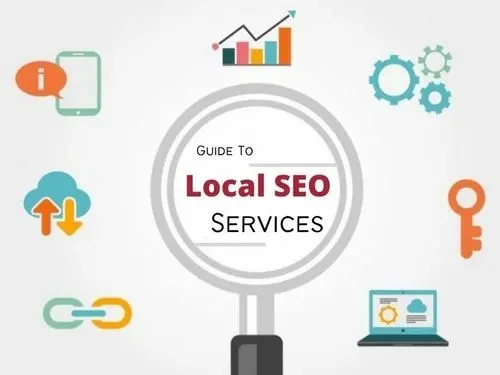
Here is why Local SEO services are the single most important investment for service-based businesses this year.
Capturing High-Intent “Ready-to-Buy” Traffic
Unlike traditional SEO, which might focus on broad information, Local SEO targets intent. According to recent 2026 search trends, nearly 80% of local mobile searches lead to an offline conversion within 24 hours. When someone searches for “emergency AC repair,” they aren’t looking for a DIY blog post—they are looking to hire a professional right now. Local SEO ensures your business is the one that appears at that exact moment of need.
Dominating the “Google Map Pack”
The “Map Pack” is the holy grail of local search visibility, appearing at the very top of Google’s search results. For service-based businesses, this section is more valuable than standard organic listings because it highlights your physical proximity to the user. Dominating this space requires a mix of technical optimization, geographic relevance, and active engagement. Here is how you can claim one of those three coveted spots and turn local searches into loyal customers.
The Power of Google Business Profile Optimization
Your Google Business Profile (GBP) is the engine behind your Map Pack ranking. To dominate, you must ensure every detail is meticulously filled out, from your specific service categories to your operating hours. High-quality, geo-tagged images of your team at work and your completed projects signal to Google that you are an active, legitimate service provider. Frequently posting updates and answering customer FAQs directly on your profile keeps your listing fresh, signaling to the algorithm that your business is highly relevant.
Leveraging Proximity and Geographic Relevance
Google prioritizes proximity when displaying Map Pack results, but you can influence this by demonstrating deep local roots. By creating service area pages on your website that link back to your GBP, you reinforce your connection to specific neighborhoods and zip codes. Mentioning local landmarks or community events within your profile descriptions helps Google’s AI associate your business with that specific region. This geographic relevance ensures that when a neighbor searches for help, your business is the most logical local recommendation.
Boosting Visibility Through Review Velocity
Reviews are a primary ranking signal for the Map Pack, but it isn’t just about the quantity of stars. “Review velocity”—the consistency and frequency with which you receive new feedback—is crucial for staying at the top. Encouraging satisfied clients to leave detailed reviews that mention specific services helps Google understand exactly what you do. Furthermore, responding to every review shows both Google and potential leads that you are attentive and professional, which significantly increases your profile’s overall click-through rate.

Building Trust Through “E-E-A-T” and Reviews
In the service sector, Trust is your currency. People are inviting you into their homes or trusting you with their legal/financial health.
Local SEO services focus heavily on Reputation Management. By consistently generating and responding to Google reviews, you signal to both Google and your customers that you are a reliable, active expert. In 2026, Google’s algorithms place a massive weight on Experience and Authoritativeness, making your local reputation a direct ranking factor.
Levelling the Playing Field Against National Giants
You might not have the marketing budget of a national franchise, but Local SEO acts as a “great equalizer.” Google prioritizes Proximity, Relevance, and Prominence. If you are a local specialist with a highly optimized Google Business Profile (GBP) and localized website content, you can easily outrank a massive corporation that lacks a local heartbeat.
Cost-Effective Lead Generation
Compared to Paid Ads (PPC), where you pay for every single click, Local SEO offers a much higher long-term ROI. Once you’ve optimized your local presence, the traffic you receive is organic and free. While ads stop the second you stop paying, a strong Local SEO foundation continues to generate leads month after month.
Key Local SEO Strategies for 2026
Effective local search optimization now requires a multi-faceted approach that connects your digital presence with your physical service area. From technical backend code to hyper-local content creation, these four pillars represent the most impactful tactics for dominating your local market this year.
Implementing Advanced Schema Markup
In 2026, structured data is the primary language search engines use to categorize your business accurately. By implementing “LocalBusiness” and “Service” schema markup, you provide search bots with explicit details about your hours, service areas, and specific offerings. This technical optimization is crucial because it helps your business appear in AI-driven search overviews and rich snippets. Without this “cheat sheet” for Google, your website may struggle to compete with local rivals who are effectively translating their business data into machine-readable code.
Creating Hyper-Local Service Pages
Generic “About Us” pages are no longer sufficient for ranking in specific neighborhoods. To win in 2026, you must develop dedicated landing pages for every city or district you serve. These pages should feature localized content, such as mentions of local landmarks, neighborhood-specific testimonials, and embedded Google Maps. This hyper-local approach signals to search algorithms that you have a physical and operational relevance to that specific area, significantly boosting your chances of appearing in “near me” searches across multiple geographic zones.
Optimizing for Voice and AI Conversational Queries
With the continued rise of voice assistants and AI search tools, local queries have become increasingly conversational. Instead of typing “plumber,” users now ask, “Who is the best emergency plumber open now in [near me]?” To capture this traffic, your content must use natural, question-based language. Adding FAQ sections that answer specific local concerns helps you rank for these long-tail queries. By anticipating the natural phrasing of your customers, you position your business as the most helpful and immediate solution during their moment of need.
Building Authority Through Local Backlinks
Local authority is built through community connections, not just digital metrics. In 2026, earning backlinks from high-authority local sources—such as neighborhood news sites, local chambers of commerce, or community blogs—is a major ranking signal. These links act as “digital votes of confidence” from your actual community, proving to Google that you are a prominent local player. Sponsoring a local sports team or partnering with a non-competing local business for a joint blog post can generate the high-quality, geographically relevant links that national competitors simply cannot replicate.
Final Thoughts
In 2026, Local SEO is the lifeline for service-based businesses. By dominating the Map Pack and implementing hyper-local strategies, you ensure high-intent customers find you first. Investing in these services builds lasting trust and visibility, turning local searches into consistent growth and a competitive advantage that national giants can’t match.