

For many marketing leaders, brand marketing can feel like a leap of faith. You invest significant resources into building reputation, awareness, and trust, but when the CFO asks for a clear return on investment, it’s often challenging to provide a straightforward answer. Unlike performance marketing with its immediate click-through rates and conversion data, the results of brand building are often slower to materialize and harder to quantify.
However, this perceived lack of measurability is a dangerous misconception. In today’s marketing landscape, where AI-powered search and algorithmic preferences increasingly reward strong brands, building brand equity is not just a “nice-to-have”—it’s a critical business strategy. The challenge isn’t that brand marketing doesn’t work; it’s that we need better frameworks to measure its impact.
The truth is, brand marketing is often the silent driver behind successful digital campaigns. People are far more likely to read, watch, click, and ultimately buy from a brand they already know and trust. This blog will provide you with a comprehensive framework to move beyond vanity metrics and connect your brand-building efforts to tangible business outcomes, giving you the data-driven evidence needed to justify your brand investments.
Why Measuring Brand Marketing is Non-Negotiable?
The business case for brand marketing is stronger than ever. Consider this: 82% of consumers are more likely to buy from brands they know. Furthermore, studies show that when customers feel connected to a brand, 57% will increase their spending, and 76% will choose that brand over a competitor.
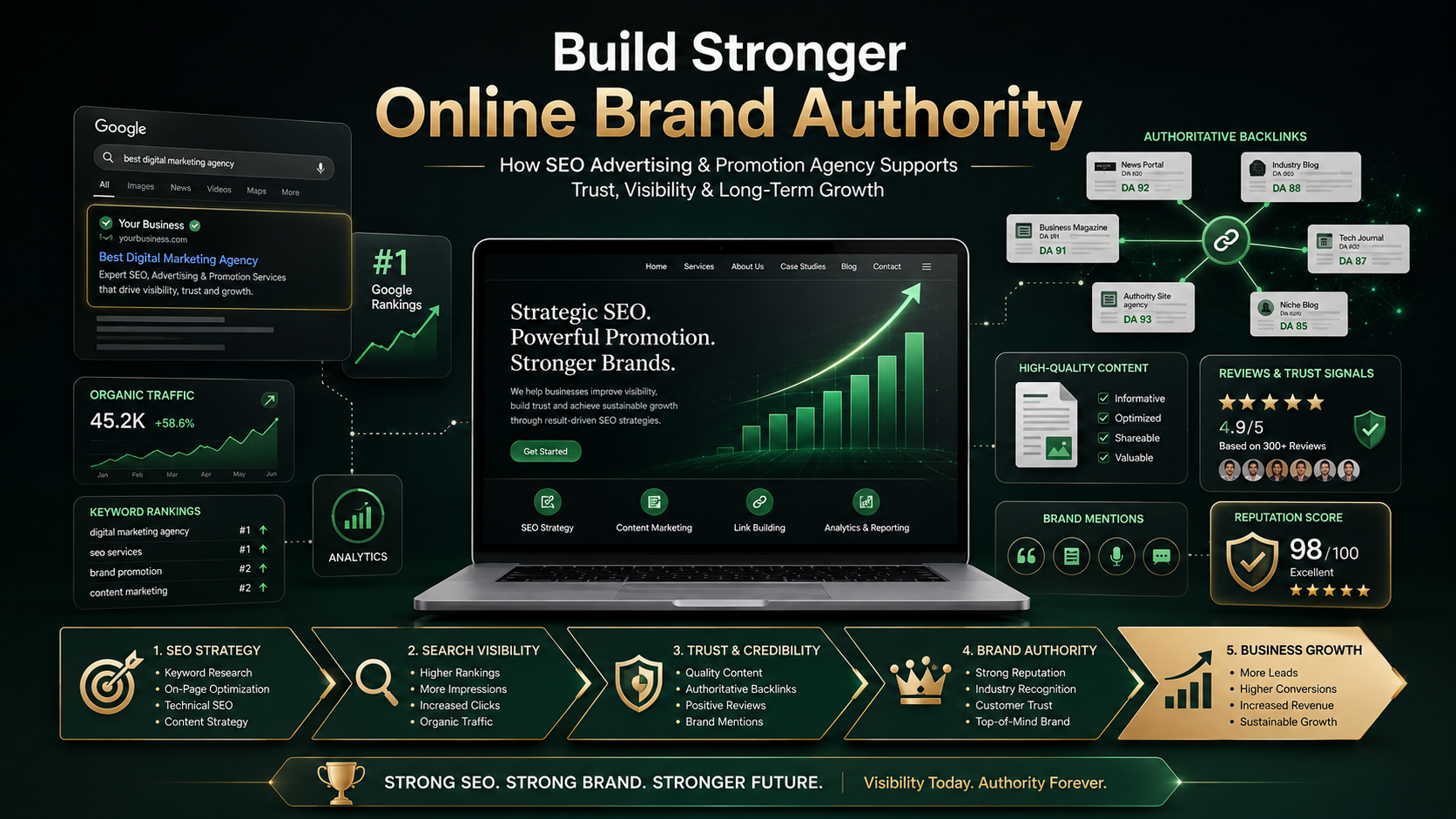
Beyond building customer trust, your brand strength directly impacts your digital visibility. Recent studies have found that authority, traffic, and backlink signals—all closely tied to brand strength—are among the most important factors for high search rankings. As search evolves with AI Overviews and LLM-powered results, brand strength is proving to be the key to visibility. In fact, branded mentions, branded anchors, and branded search volume are the top factors correlated with appearing in AI Overviews.
When you neglect brand measurement, you risk:
- Under-crediting effective efforts that drive long-term growth
- Misallocating budgets toward short-term tactics at the expense of sustainable growth
- Struggling to justify future investments in brand-building activities
A Framework for Measurement: The Brand Marketing Funnel
The most effective way to measure brand marketing is to align your metrics with the customer journey. By tracking progress through each stage of the funnel, you can create a clear narrative that connects brand awareness to business results.
Brand Awareness Metrics
Brand awareness metrics quantify your brand’s visibility and recognition in the marketplace. They answer a critical question: are we top-of-mind with our target audience? By tracking indicators like search volume and direct traffic, you move beyond guesswork. This data reveals whether your marketing efforts are effectively cutting through the noise and making your brand more familiar, which is the essential first step toward building customer trust and driving future growth.
Branded Search Volume
Branded search volume measures how often people specifically search for your brand name on engines like Google. This is a powerful indicator of brand recall and intent. An increasing trend signifies successful top-of-funnel activities, as consumers are actively seeking you out. You can track this vital metric using free tools like Google Search Console or paid platforms like SEMrush, providing clear evidence that your brand-building efforts are driving recognition and interest.
Direct Website Traffic
Direct website traffic occurs when users type your URL directly into their browser. This metric is a strong signal of brand strength and customer loyalty, indicating high familiarity and intent. These visitors already know you, often resulting in higher engagement and conversion rates. Monitoring direct traffic in Google Analytics 4 helps you gauge the effectiveness of offline campaigns, word-of-mouth, and overall brand recall, separating your core audience from casual browsers.
Share of Voice (SOV)
Share of Voice (SOV) measures your brand’s visibility within industry conversations compared to your competitors. It analyzes your percentage of mentions across online channels like social media, news sites, and review platforms. A growing SOV indicates you are winning mindshare and increasing market presence. Using social listening tools, you can track SOV to benchmark performance, identify competitive threats, and validate that your content and PR strategies are effectively amplifying your brand.
Brand Lift Studies
Brand Lift Studies are targeted surveys used to measure the direct impact of a campaign on brand perception. They quantify changes in key areas like awareness, ad recall, and consideration among those exposed to your ads. By comparing a control group with a test group, you gain direct causal insights. This powerful method, available on platforms like Google and Meta, proves how specific campaigns shift consumer attitudes, moving beyond correlation to demonstrate real impact.
Consideration Metrics
Consideration metrics reveal if your audience is actively evaluating your brand as a potential solution. They move beyond simple awareness to measure genuine interest and intent. By tracking behaviors like page engagement and content downloads, you identify prospects progressing through the marketing funnel. This data helps you understand which messages resonate, pinpoint barriers to conversion, and nurture leads effectively, ensuring your brand remains a top contender during the critical decision-making phase.
Engagement on Key Pages
Engagement on key pages like product descriptions or service details indicates deep evaluation. Metrics such as time on page and scroll depth show visitors are seriously researching your offerings. High engagement here is a strong positive signal, suggesting your content effectively addresses their needs and questions. Analyzing this in Google Analytics 4 helps you optimize page content to better guide prospects toward a conversion, turning interest into actionable intent.
Return Visits/Repeat Sessions
Return visits occur when users come back to your website multiple times before converting. This behavior is a classic sign of a prospect in the consideration phase, comparing options and gathering information. A high number of repeat sessions signifies strong interest and that your site is a trusted resource. Tracking this frequency helps you understand the buyer’s journey length and identify when to retarget with specific nurturing campaigns.
Content Downloads
Downloads of gated content like whitepapers, case studies, or e-books are a direct exchange of contact information for value. This action signals a prospect has moved beyond casual browsing and is seeking expert knowledge to inform their decision. It provides a clear, qualified lead for your sales team. Monitoring which assets are downloaded most reveals the topics your audience finds most compelling, guiding your content strategy.
Social Media Engagement
Social media engagement—likes, shares, comments, and saves—on platform-specific content (e.g., Instagram Reels, LinkedIn articles) measures two-way interaction. Unlike passive views, these actions show your audience finds value worth reacting to or sharing with their network. This builds community and amplifies your reach organically. High engagement rates indicate your brand messaging is resonating, fostering a relationship that keeps you top-of-mind during the consideration process.
Conversion Metrics
Conversion metrics are the critical link between marketing activities and tangible business results. They quantify the moment when audience interest transforms into a desired action, providing clear evidence of marketing effectiveness. By tracking these key performance indicators, you can directly attribute revenue and growth to specific brand-building efforts. This data is essential for proving ROI, optimizing campaigns for better performance, and justifying future marketing investments to stakeholders based on concrete financial outcomes.
Conversion Rate on Branded Traffic
The conversion rate on branded traffic measures the percentage of visitors from branded searches who complete a key goal, like a purchase or sign-up. This audience arrives with high intent, already knowing and trusting your brand. A significantly higher rate here compared to non-branded traffic is powerful proof that your brand-building efforts are directly fueling revenue. It demonstrates that brand awareness creates a more receptive and valuable audience, making every click worth more.
Lead Generation Form Fills
Lead generation form fills—such as demo requests, newsletter sign-ups, or contact inquiries—represent a prospect formally raising their hand. This conversion is a direct pipeline builder, moving individuals from anonymity into your sales funnel. Tracking the volume and quality of these leads from brand campaigns shows how effectively your marketing attracts potential customers. It provides sales teams with warm, qualified opportunities that are more likely to close, proving brand marketing’s role in growth.
Sales from Branded Campaigns
This metric involves directly attributing closed revenue to specific brand-focused campaigns through your CRM and analytics. By tracing a sale back to its origin—like a brand awareness ad or a content series—you create an undeniable link between brand investment and income. This is the ultimate proof of ROI, moving beyond leads to actual revenue. It conclusively demonstrates that brand marketing doesn’t just create buzz; it drives the bottom line.
Loyalty & Advocacy Metrics
Loyalty and advocacy metrics measure the long-term health and strength of your customer relationships, moving beyond initial sales. They indicate satisfaction, retention, and whether customers become voluntary promoters. Tracking these metrics is crucial for understanding true profitability, as retaining existing customers is often more cost-effective than acquiring new ones. Strong performance here is the ultimate validation that your brand delivers lasting value and has built a foundation for sustainable growth.
Net Promoter Score (NPS)
Net Promoter Score (NPS) is a key loyalty metric measured by asking customers one simple question: “How likely are you to recommend our company to a friend or colleague?” Respondents are categorized as Promoters, Passives, or Detractors. A high NPS score signifies strong customer satisfaction and organic growth potential, as enthusiastic promoters essentially act as a free, trusted sales force, driving new business through personal recommendations.
Customer Retention Rate/Churn
Customer Retention Rate measures the percentage of customers you keep over a specific period, while Churn Rate tracks those you lose. A high retention rate indicates successful onboarding, ongoing value delivery, and strong customer relationships. It is a vital health indicator because retaining customers is typically more profitable than acquiring new ones. Improving retention directly boosts revenue and stability, making it a critical focus for sustainable business growth.
Customer Lifetime Value (CLV)
Customer Lifetime Value (CLV) predicts the total revenue a business can expect from a single customer account throughout their relationship. It shifts the focus from transactional value to long-term profitability. A high CLV indicates strong customer loyalty, repeat purchases, and successful upselling. By increasing CLV, you can justify spending more to acquire valuable customers and build a more predictable, resilient revenue model focused on nurturing lasting relationships.
User-Generated Content & Referrals
User-Generated Content (UGC) like social media posts and reviews, along with referral program sign-ups, are powerful advocacy metrics. They show customers are so satisfied they actively promote your brand without being asked. This organic advocacy provides authentic social proof, builds trust with new audiences, and drives high-quality leads. Tracking UGC and referrals measures your brand’s emotional connection, transforming satisfied customers into your most effective and credible marketing channel.
Funnel Stage |
Key Metrics |
Tool Examples |
| Awareness | Branded search volume, Direct traffic, Share of Voice | Google Search Console, Google Trends, Social listening tools |
| Consideration | Pages per session, Return visits, Content downloads | Google Analytics 4, CRM |
| Conversion | Conversion rate from branded traffic, Lead generation | GA4, CRM, Google Ads |
| Loyalty | Net Promoter Score (NPS), Customer retention, CLV | Survey tools (SurveyMonkey), CRM |
How to Calculate and Prove ROI?
For a direct financial calculation, you can use the standard marketing ROI formula:
ROI = (Revenue Attributable to Marketing – Marketing Investment) / Marketing Investment × 100.
A ratio of 5:1 is generally considered strong, but this varies by industry. The challenge with brand marketing is accurately attributing revenue, which requires the more sophisticated approaches below.
Advanced Methodologies for Proving Impact
For a more accurate picture, especially for long-term brand campaigns, consider these methodologies:
Multi-Touch Attribution
Instead of giving all credit to the first or last click, use models that distribute credit across all touchpoints in the customer journey (e.g., U-shaped or W-shaped attribution). This helps give credit to early-stage brand awareness activities.
Marketing Mix Modeling (MMM)
This uses statistical analysis to understand how various marketing activities (including brand campaigns) contribute to sales, accounting for external factors like seasonality or competition. It’s excellent for measuring the impact of hard-to-track efforts like TV or billboards.
Incrementality Testing
Run geo-based experiments where you show a brand campaign in one region but not in a similar control region. By comparing the difference in key metrics (e.g., website traffic, search volume, or sales), you can prove the causal impact of your campaign.
Brand Tracking Studies
Conduct regular surveys to track metrics like aided/unaided awareness, consideration, and preference over time. This helps you connect specific campaigns to movements in your brand health indicators.
Conclusion
Proving brand marketing ROI is not about finding a single magic number, but about connecting the dots between awareness and revenue. By implementing the strategic framework outlined above—tracking metrics from awareness to loyalty—you can move beyond vanity metrics and build an irrefutable case. This data-driven approach transforms brand building from a perceived cost into a measurable growth engine, justifying investments and ensuring your brand becomes your most valuable asset for long-term success. Start measuring what truly matters.