
In 2026, the mantra “Things, Not Strings” has completely redefined the search landscape. Search engines like Google no longer just “read” your website; they understand it. This shift from keyword matching to semantic understanding is powered by a process called Entity Linking.
If you are running a local business, understanding entity linking is no longer a technical “nice-to-have”—it is the engine behind appearing in AI Overviews, “Near Me” results, and voice searches.
What Exactly Is Entity Linking?
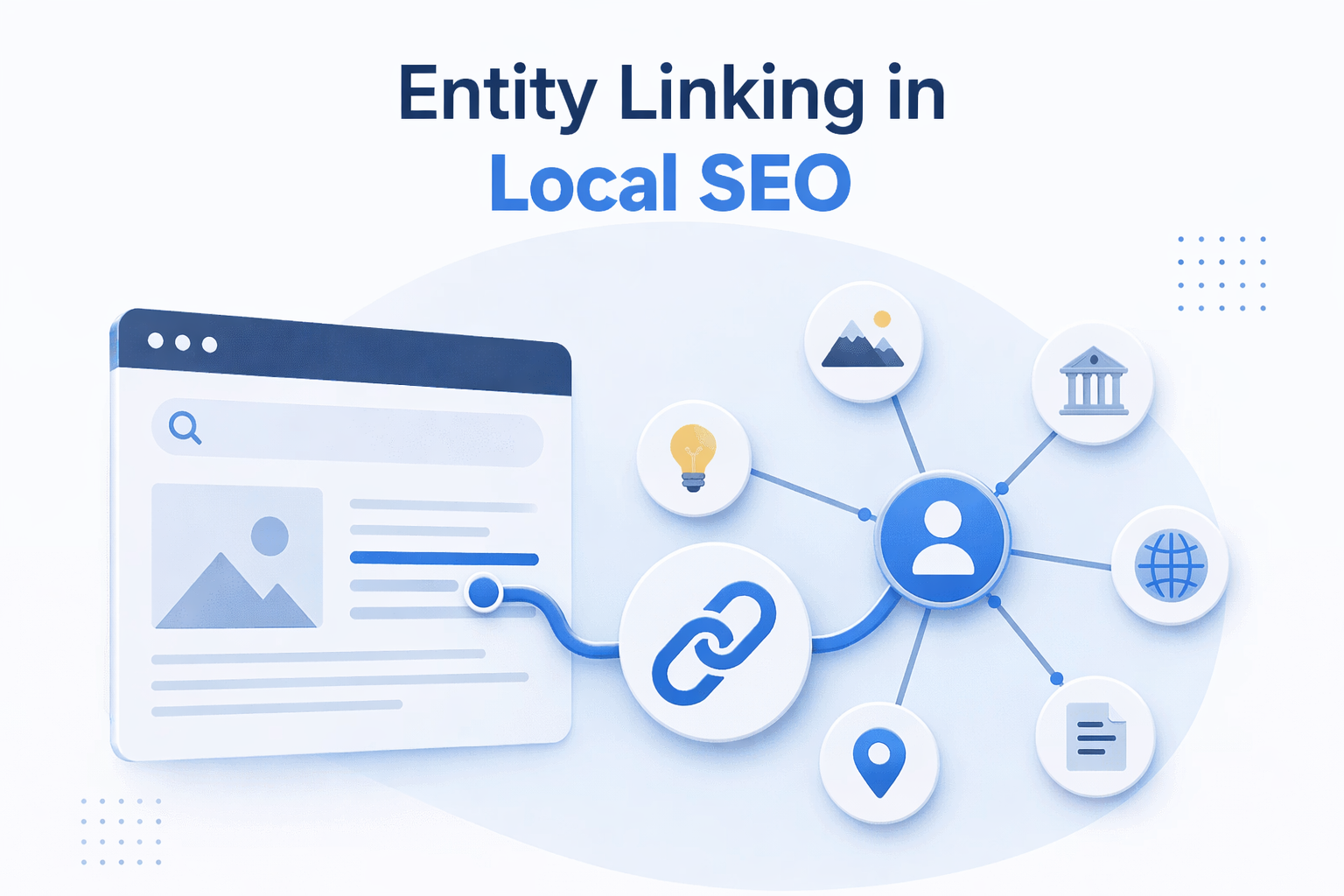
Entity Linking (also known as Named Entity Disambiguation) is the process of identifying a specific “entity” (a person, place, brand, or concept) within a piece of text and connecting it to a verified entry in a structured knowledge base, such as Google’s Knowledge Graph, Wikidata, or Wikipedia.
Think of it as adding a “digital ID” to the words on your page.
The “Apple” Problem: > Without entity linking, a search engine might see the word “Apple” and wonder: Are you talking about the fruit, the tech giant, or the record label? Entity linking provides the context that tells the AI, “This specific mention refers to the tech company.”
How Entity Linking Transforms Local SEO in 2026?
For local businesses, entity linking is the bridge between a vague mention and a verified physical presence. Here is how it specifically improves your local rankings:
Precision in “Near Me” and Geo-Localized Queries
In 2026, Google’s local algorithm prioritizes contextual authority. By linking your business entity to specific geographic markers (like local landmarks, neighborhoods, or city-defined service areas) via Schema markup, you remove ambiguity. This ensures that when someone searches for “best plumber in [Your Neighborhood],” the AI knows exactly where your “entity” resides and operates.
Dominating AI Overviews (SGE)
Modern search results are dominated by AI-generated summaries. These models are “retrieval units” that look for verified entities to cite as authoritative sources. If your content clearly defines your services as entities and links them to recognized industry standards, you are significantly more likely to be featured as a recommended local provider in these summaries.
Strengthening Your Knowledge Panel
A Knowledge Panel is the “digital business card” that appears on the right side of search results. Entity linking—specifically using the same As property in your Schema—connects your website to your social profiles, official business registrations, and local citations. This builds a “web of trust” that reinforces your brand’s legitimacy.
Disambiguating Multi-Location Brands
For businesses with multiple branches, entity linking is vital. It allows you to create a unique “Entity ID” for each location. By linking each page to its specific Google Business Profile (GBP) and local Wikidata entry, you prevent your own pages from competing with one another (keyword cannibalization) and ensure the right branch shows up for the right user.
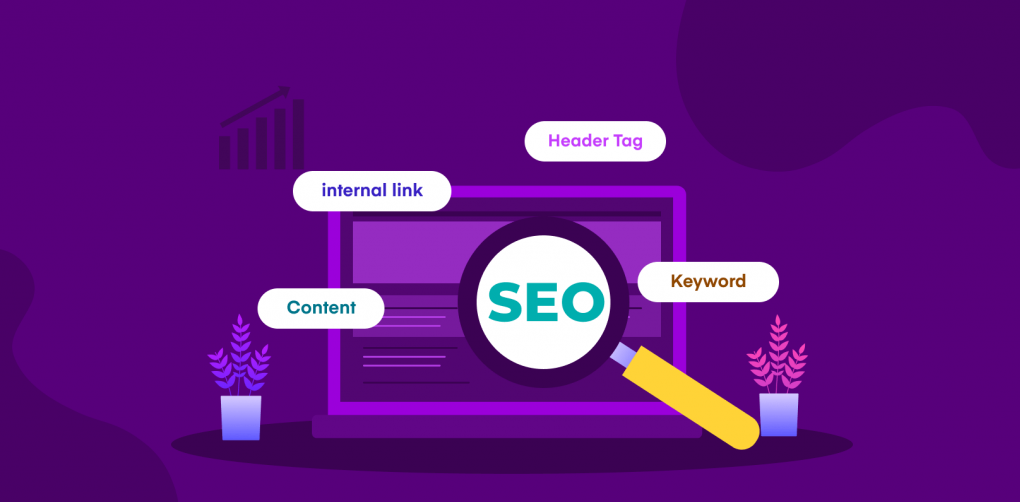
3 Actionable Steps to Implement Entity Linking Today
You don’t need to be a data scientist to start using entity linking. Here are the core tactics for 2026:
Advanced Schema Markup
In 2026, basic structured data isn’t enough to secure a competitive edge. Advanced Schema Markup involves utilizing specific properties like about and mentions to connect your content to recognized entities in the Knowledge Graph. By mapping your services to authoritative Wikidata or Wikipedia nodes, you provide search engines with the semantic clarity needed to feature your business in AI Overviews. This deep technical optimization bridges the gap between raw text and machine-understandable data.
The sameAs Property
The sameAs property is a critical component of identity resolution in local SEO. It serves as a digital bridge, explicitly telling search engines that your website, social media profiles, and local directory listings all represent the exact same entity. By linking your official site to your Google Business Profile and LinkedIn, you build a “web of trust.” This reduces ambiguity, strengthens your Knowledge Panel, and reinforces your brand’s authority across the entire web ecosystem.
Contextual Internal Linking
Contextual internal linking has evolved from simple navigation into a strategic tool for entity reinforcement. Rather than just linking to increase page views, you should link to define relationships between concepts. By connecting a blog post discussing a specific problem to the dedicated service page that solves it, you establish a topical hierarchy. This helps AI models understand the depth of your expertise and ensures that your most important “entity” pages receive the highest topical equity.
Conclusion
Mastering entity linking is the definitive strategy for local SEO dominance in 2026. By shifting focus from traditional keywords to verified entities, you provide the structural clarity that AI search engines demand. This approach not only secures your place in localized AI Overviews but also builds lasting brand authority and trust. Embracing these semantic techniques ensures your business remains a prominent, recognized fixture in an increasingly intelligent and connected digital landscape.