
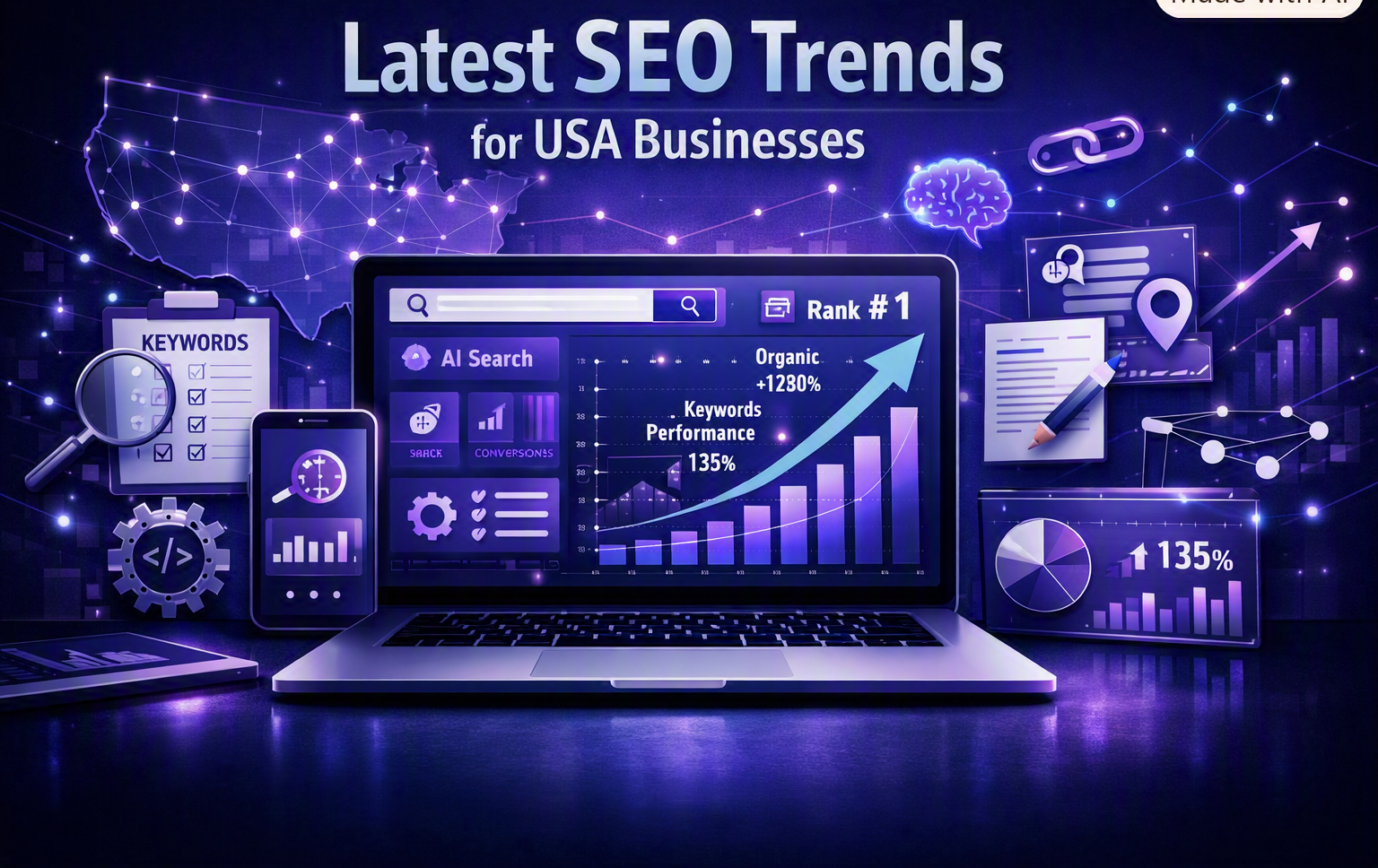
The SEO landscape in the United States has moved beyond the era of simple keyword matching. In 2026, the shift is structural: search behavior has evolved from “searching for links” to “seeking answers” and “discovering brands” across a fragmented digital ecosystem (ALM Corp, 2026). For U.S. businesses, staying competitive now requires a pivot toward integrated search systems that cater to both traditional algorithms and the new wave of AI-driven discovery.
The Rise of GEO (Generative Engine Optimization)
Traditional search is pivoting toward AI-driven discovery. Generative Engine Optimization (GEO) focuses on making your brand the preferred answer for AI models like Gemini and ChatGPT. To win, businesses must move beyond simple keywords, instead optimizing for conversational queries and authoritative citations. By aligning content with how large language models synthesize data, you ensure your brand appears in AI-generated summaries that now dominate the top of the search results page.
Brand Mentions Over Links
AI search models increasingly prioritize brand sentiment and “unlinked mentions” across the web. While traditional backlinks still matter, being discussed in industry forums, news outlets, and social media creates a digital footprint that AI interprets as authority. When your brand is consistently cited as a solution within relevant contexts, search engines view you as a trusted entity, boosting your visibility without requiring a direct hyperlink.
Semantic Relevance
Modern SEO is about topical depth rather than keyword density. Semantic relevance involves creating content that addresses the entire ecosystem of a user’s intent. By covering related subtopics and answering granular follow-up questions, you build a comprehensive knowledge base. This approach helps search engines understand the context of your expertise, allowing your site to rank for a broader range of complex, high-intent search queries.
From SEO to SXO (Search Experience Optimization)
The digital landscape is shifting from technical rankings to Search Experience Optimization (SXO). This approach merges traditional SEO with User Experience (UX) to ensure that once a visitor lands on your page, their journey is seamless and valuable. By prioritizing fast load times, intuitive navigation, and high-quality content that directly answers intent, businesses can reduce bounce rates and increase conversions. Ultimately, Google rewards sites that provide a satisfying, friction-free experience for every user.
Brand Authority is King
In an era of AI-generated content, brand authority serves as the ultimate trust signal. Search engines now prioritize established names that demonstrate real-world expertise and a track record of reliability. Building this authority requires consistent thought leadership, verified social proof, and a strong presence across multiple digital touchpoints. When your brand is recognized as an industry leader, you gain a sustainable competitive edge.
Scannable Depth
Modern readers demand immediate answers without sacrificing comprehensive information. Scannable depth involves using clear headings, bulleted lists, and bold text to highlight key takeaways for quick consumption. However, the supporting prose must remain detailed and insightful to satisfy deep divers and search algorithms alike. This structural balance ensures your content is accessible to casual browsers while maintaining the topical authority needed for high rankings.
The New Local SEO: Beyond the Map Pack
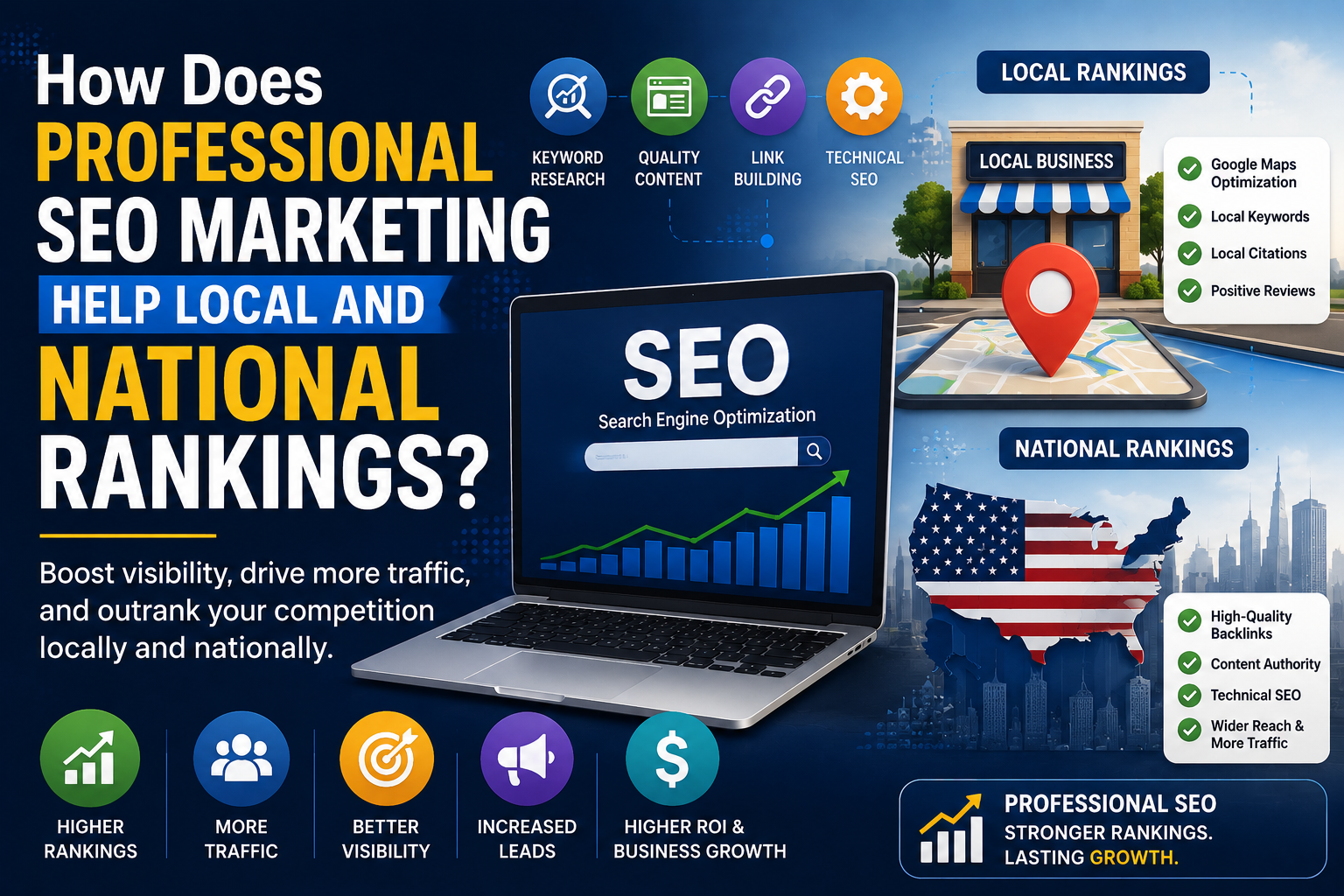
Local search has evolved into a multi-platform discovery journey. While the Google Map Pack remains a vital tool, U.S. businesses must now optimize for “social search” on platforms like Instagram and TikTok, alongside AI-driven assistants. Visibility now depends on a cohesive digital presence that captures users wherever they search. By integrating localized keywords with geo-tagged visual content, brands can dominate their specific service areas and reach customers across the entire digital landscape.
Cross-Platform Frameworks
Success in 2026 requires a unified strategy across various search ecosystems. A robust cross-platform framework ensures your business information—from service descriptions to contact details—is consistent across Google, social media, and AI directories. This synchronization builds trust with both algorithms and customers. By maintaining a cohesive brand voice and accurate data everywhere, you reinforce your authority and simplify the path to conversion.
Immediate Intent
Capturing “immediate intent” means providing the right answer at the exact moment a customer is ready to act. Local searches often have high urgency, such as “plumber near me” or “best coffee nearby.” To win these moments, your content must be optimized for speed and clarity. Direct call-to-actions, clear pricing structures, and instant contact options ensure you convert high-intent traffic into loyal customers.
Voice Search & Conversational AI
The explosion of smart speakers and mobile assistants has transformed search into a natural conversation. Voice Search and Conversational AI require a shift toward long-tail keywords and question-based content that mirrors how people actually speak. To stay relevant, businesses must optimize for the specific, natural language patterns used in verbal queries. Providing direct, concise answers to common industry questions ensures your brand remains the top choice for AI-driven voice responses.
The 29-Word Query
Voice searches are significantly longer and more descriptive than traditional typed queries, often averaging around 29 words. This shift means content must pivot toward addressing hyper-specific, conversational phrases. By incorporating these detailed, natural-sounding sentences into your FAQ sections and blog posts, you align your site with the way users interact with AI assistants, capturing highly qualified traffic that traditional keywords often miss.
Position Zero
“Position Zero” is the ultimate goal in the age of voice and AI search. This featured snippet appears above all other organic results, serving as the primary source for voice assistant answers. To claim this spot, your content must provide clear, direct definitions and structured data that search engines can easily parse. Owning Position Zero maximizes your visibility and establishes instant brand authority.
First-Party Data & Personalization
As third-party cookies phase out, first-party data has become the most valuable asset for U.S. businesses. By collecting information directly through newsletters, surveys, and site interactions, brands can create highly tailored experiences that respect user privacy. This shift allows for deeper audience segmentation and more effective remarketing strategies. Utilizing your own data ensures that marketing efforts are based on actual customer behavior rather than broad, often inaccurate third-party assumptions.
Content Architecture
Strategic content architecture is the foundation of a high-performing digital presence. By organizing information into logical silos and interlinked hubs, you help search engines and users navigate your expertise. This structured approach ensures that every piece of content serves a specific purpose, whether it’s building top-of-funnel awareness or driving bottom-of-funnel conversions, resulting in a more cohesive and authoritative brand narrative.
Human-Centric Personalization
Personalization in 2026 is about more than just inserting a name into an email; it is about delivering genuine value. Human-centric personalization focuses on understanding the specific challenges and motivations of your audience. By providing relevant solutions and empathetic messaging at the right time, you build lasting trust. This approach ensures your brand feels like a helpful partner rather than a generic service.
Final Thoughts
The future of SEO in the USA lies in the integration of human expertise and AI-driven discovery. Success requires moving beyond outdated tactics to embrace a holistic strategy that prioritizes user experience, semantic depth, and brand authority. By focusing on cross-platform visibility and leveraging first-party data, businesses can build resilient digital presences. Stay agile, prioritize quality over quantity, and ensure your content serves the needs of both modern algorithms and real people.