

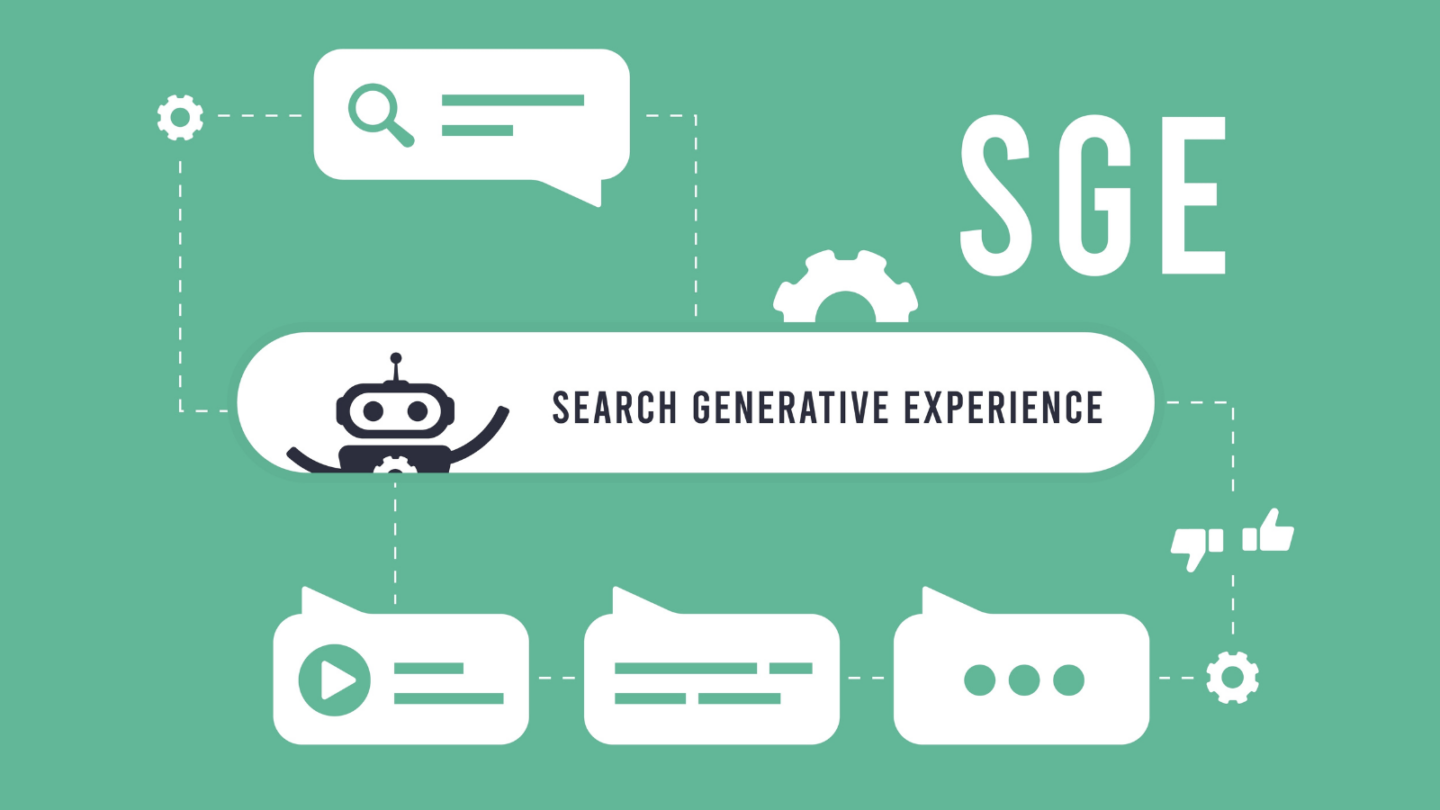
The search landscape is undergoing its most massive paradigm shift since the introduction of mobile-first indexing. Google’s integration of generative AI into search results—commonly known as Search Generative Experience (SGE), alongside standard AI Overviews—fundamentally changes how users interact with information online.
For years, search engine optimization was a game of ranking in the classic “ten blue links.” Today, AI-driven snapshots frequently sit at the very top of the Search Engine Results Page (SERP), answering multi-layered queries directly.
If your current traffic strategy relies solely on ranking for high-volume, generic keywords, it is time to pivot. Here is a practical breakdown of how AI search operates and the exact frameworks needed to adapt your content strategy for this new era.
Understanding the Shift: Classic SERP vs. AI-Driven Snapshots
To optimize for generative engines, you have to understand what they are trying to achieve. The primary goal of an AI search overview is to synthesize complex, multi-perspective information into a single, cohesive answer.
Instead of requiring a user to click through three different websites to compare options, troubleshoot a problem, or understand a concept, the AI handles the synthesis instantly.
[ User Query: “Best commercial HVAC systems for historic buildings” ]
↓
AI GENERATED SNAPSHOT
– Direct answer addressing structural constraints, zoning, etc.
– Inline carousel/citations linking to authoritative sources.
↓
TRADITIONAL ORGANIC LINKS
– Standard blue links and snippets (pushed further down page).
This structural shift introduces two major challenges for traditional web publishers:
The Zero-Click Reality
Google’s AI overviews instantly synthesize complex data directly on the search results page, solving multi-layered user queries in a single snapshot. This shifts search behavior away from traditional website visits. Because users find immediate, comprehensive answers without navigating away from the SERP, informational organic click-through rates are declining. To capture value in this ecosystem, your strategy must pivot toward capturing high-intent, transactional traffic and optimizing for direct brand citations.
The Source Carousel
When generative engines answer a query, they pull data from a select group of highly authoritative sites, displaying them prominently within an interactive source carousel. Securing a spot in this layout requires content built on distinct information gain, clean semantic architecture, and clear schema markup. Sites that offer unique data or deep, real-world expert analysis become the primary references, turning AI search summaries into powerful drivers of high-qualified referral traffic.
4 Core Pillars to Adapt Your SEO Strategy for AI Search
Surviving and thriving in this ecosystem requires shifting focus from basic keyword optimization to deep contextual optimization. Use these four tactical frameworks to ensure your content is chosen as a primary reference source.
-
Optimize for Information Gain and Unique Insights
AI engines train on public data. If your article simply regurgitates the same generic points found on the top five ranking pages, an AI overview has zero reason to cite you. It already knows that information.
To win citations, your content must offer Information Gain—new, unique data or perspectives that do not exist elsewhere.
Include Proprietary Data
Publishing original research, internal case studies, or localized market data gives your content an irreplaceable competitive edge. AI models train on public information and frequently summarize standard web text, but they cannot replicate unique, first-party insights. By featuring proprietary metrics and specific project outcomes directly on your pages, you provide exclusive information gain. This forces search engines to cite your brand as the primary, definitive source for that data.
Quote Internal Experts
Generic, surface-level explanations are easily replaced by automated search snapshots. To stand out, inject direct quotes and practical troubleshooting tips from your experienced field technicians or industry specialists. Highlighting real-world nuances, safety precautions, and counter-intuitive insights adds genuine expertise that automated crawlers cannot fabricate. This deepens your topical authority, satisfies rigorous E-E-A-T standards, and positions your content as a highly credible reference for generative engines to highlight.
Provide Proof of Execution
Demonstrate unmistakable real-world experience by showcasing the physical work behind your service. Include original, high-resolution imagery, step-by-step videos, and detailed breakdowns of complex project challenges you have actually resolved. This transparent documentation serves as undeniable proof of execution for both human readers and search crawlers. It transforms standard informational text into a trusted case study, ensuring your site outperforms AI-generated fluff and secures premium visibility.
-
Structure for Semantic Architecture and Clear Entity Mapping
Generative search models rely heavily on semantic SEO—understanding the relationship between entities (people, places, concepts, things) rather than just counting keyword repetitions.
Ditch the Fluff
Write with absolute precision by cutting unnecessary introductory phrases and repetitive filler text. Generative search algorithms prioritize clarity, scanning pages to find direct answers for user queries. To capture these positions, state the core solution, definitions, or industry-specific facts clearly within the opening paragraph of your section. Delivering immediate, high-impact value satisfies search engine crawlers and keeps human readers engaged on your site.
Use Clean Header Hierarchies
Organize your pages using a logical sequence of header tags that mirror how users naturally ask follow-up questions. Structuring your content with a clear breakdown allows search engine crawlers to map the semantic relationships between different subtopics effortlessly. Each section should address a distinct aspect of the main subject, turning your article into a scannable outline that AI models can easily parse and reference for complex answers.
Implement Comprehensive Schema Markup
Advanced structured data acts as a direct translator for search engines, explicitly defining the connections between your business, services, and content. Utilizing specific code layouts allows you to highlight critical data points like customer reviews, operational details, and frequently asked questions without changing your visible design. This technical clarity removes ambiguity for crawlers, making it simple for generative engines to confidently match and display your information.
-
Target Long-Tail, Conversational, and Multi-Layered Queries
Because users can now type complex, highly specific sentences into search bars without confusing the engine, search queries are becoming much longer and more specific.
Instead of targeting:
Plumbing repair tips
Optimize content to answer:
How to safely clear a main sewer line blockage without damaging old clay pipes
Create deep-dive, hyper-targeted resource pages or comprehensive FAQ hubs that address these highly specific, transactional, or troubleshooting scenarios. When an AI engine needs to source a hyper-specific answer, it will bypass general overviews and pull directly from deep niche experts.
-
Double Down on Real-World E-E-A-T
Experience, Expertise, Authoritativeness, and Trustworthiness (E-E-A-T) are no longer just loose guidelines; they are survival metrics. Google explicitly tunes its algorithms to favor content that displays unmistakable signs of real human experience.
Traditional SEO Metric |
AI Search Adaptation (E-E-A-T Focus) |
| Keyword Density | Topical Depth & Resolution: Answering the primary question and its natural logical follow-ups completely. |
| Generic Backlinks | Contextual Authority: Getting cited by highly relevant, niche-specific industry publications and local directories. |
| Anonymous Byline | Verified Author Profiles: Comprehensive bio pages linking to the author’s real-world credentials, social footprints, and professional history. |
The Action Plan: Future-Proofing Your Content
Transitioning your search strategy requires shifting from basic keyword targets to advanced, contextual optimization. Future-proofing your digital footprint means systematically upgrading your existing assets while refining your production framework. By restructuring layouts for instant clarity, eliminating repetitive filler, and embedding undeniable real-world validation, you safeguard your traffic. This proactive approach ensures your pages remain highly valuable assets that conversational search engines confidently display to users.
Audit for Value
Analyze your top-performing landing pages and articles to evaluate their resilience against automated summaries. Identify sections that merely repeat common industry knowledge, as these are easily replaced by basic AI search snapshots. Upgrade these assets by injecting exclusive data, verified field insights, or original media from your recent projects. Replacing generic paragraphs with deep, irreplaceable value ensures your content maintains organic visibility and retains human engagement.
Answer the “User Intent” Immediately
Avoid long, text-heavy introductions that force users to scroll extensively for solutions. Deliver the core answer, definition, or project fix clearly at the absolute top of your section using precise language. Use the remainder of the page to break down the technical nuances, step-by-step procedures, and specific edge cases. This inverted-pyramid structure satisfies search crawlers looking for quick extractions while serving readers who need deep details.
Build a Distinct Brand Voice
Generative search summaries deliver information in a highly neutral, standardized tone. To stand out, your content must project an authoritative, distinct brand voice rooted directly in real-world problem-solving. Avoid clinical, robotic descriptions and write with the directness of an experienced industry practitioner addressing a real customer issue. A credible, authentic perspective builds deep user trust and ensures readers seek out your specific brand rather than a generic answer.
Conclusion
The evolution of generative search isn’t a threat to high-quality SEO; it is a filter that eliminates low-effort, duplicate copy. Winning in this AI-driven landscape requires shifting focus from simple keyword matching to deep technical accuracy, real-world experience, and clear semantic structure. By anchoring your content in genuine expertise and immediate value, you ensure your website remains the trusted authority that both human searchers and AI models rely on.