
In the early 2010s, SEO was about “gaming” the system. Today, in 2026, it is about “joining” the conversation.
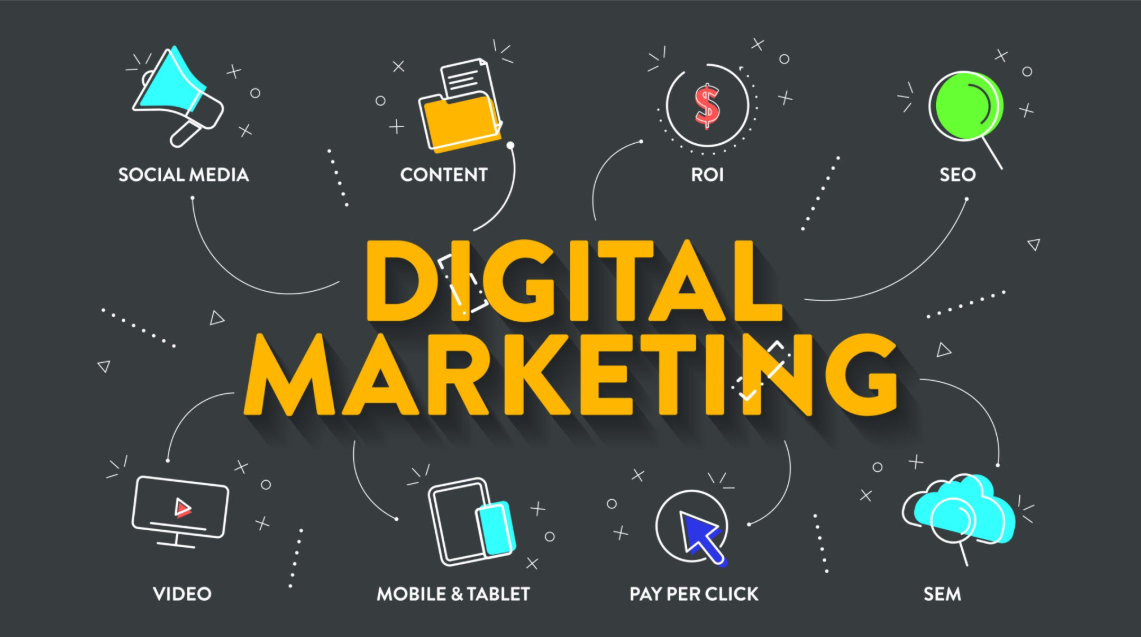
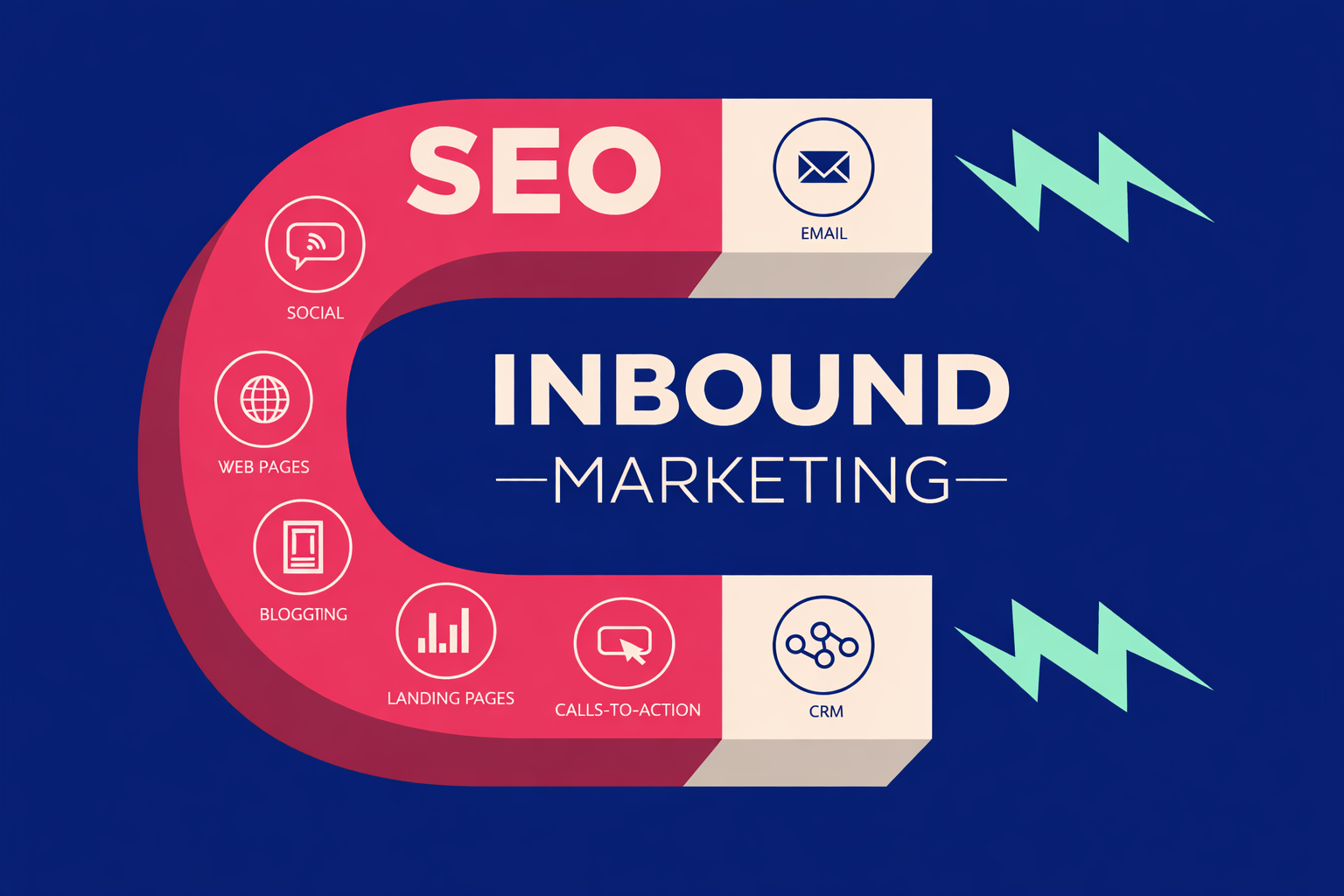
The traditional silos of Search Engine Optimization (SEO) and Inbound Marketing have officially merged. If you are still treating SEO as a technical checklist and Inbound as a separate content strategy, you’re missing the forest for the trees. Modern search isn’t just a subset of marketing—it is the ultimate expression of Comprehensive Search Engine Marketing.
Here is how the landscape has shifted and why SEO is now the heartbeat of the Inbound methodology.
The Death of the “Keyword” and the Birth of “Intent”
Historically, SEO focused on keywords—individual strings of text that acted as “bait.” Today, search engines (powered by AI-driven models like Gemini and SGE) don’t just look for words; they look for Intent.
Inbound marketing has always been about providing the right value at the right time. By aligning SEO with the user journey, search has become the primary “pull” mechanism. We no longer optimize for “best running shoes”; we optimize for the problem (e.g., “how to fix heel pain while running”), which is a classic Inbound tactic.
From Search Engine Results to “Answer Engine” Results
In 2026, the SERP (Search Engine Results Page) is often an AEO (Answer Engine Optimization) playground. With featured snippets and AI overviews, users often get the information they need without ever leaving the search page.
To stay relevant, SEO has had to adopt the Inbound philosophy of Trust and Authority.
- SEO says: “How do I rank for this?”
- Inbound says: “How do I become the most helpful resource for this?”
- Comprehensive SEM says: “How do I structure my data so AI recommends me as the definitive answer?”
The “Content Loop” vs. The “Funnel”
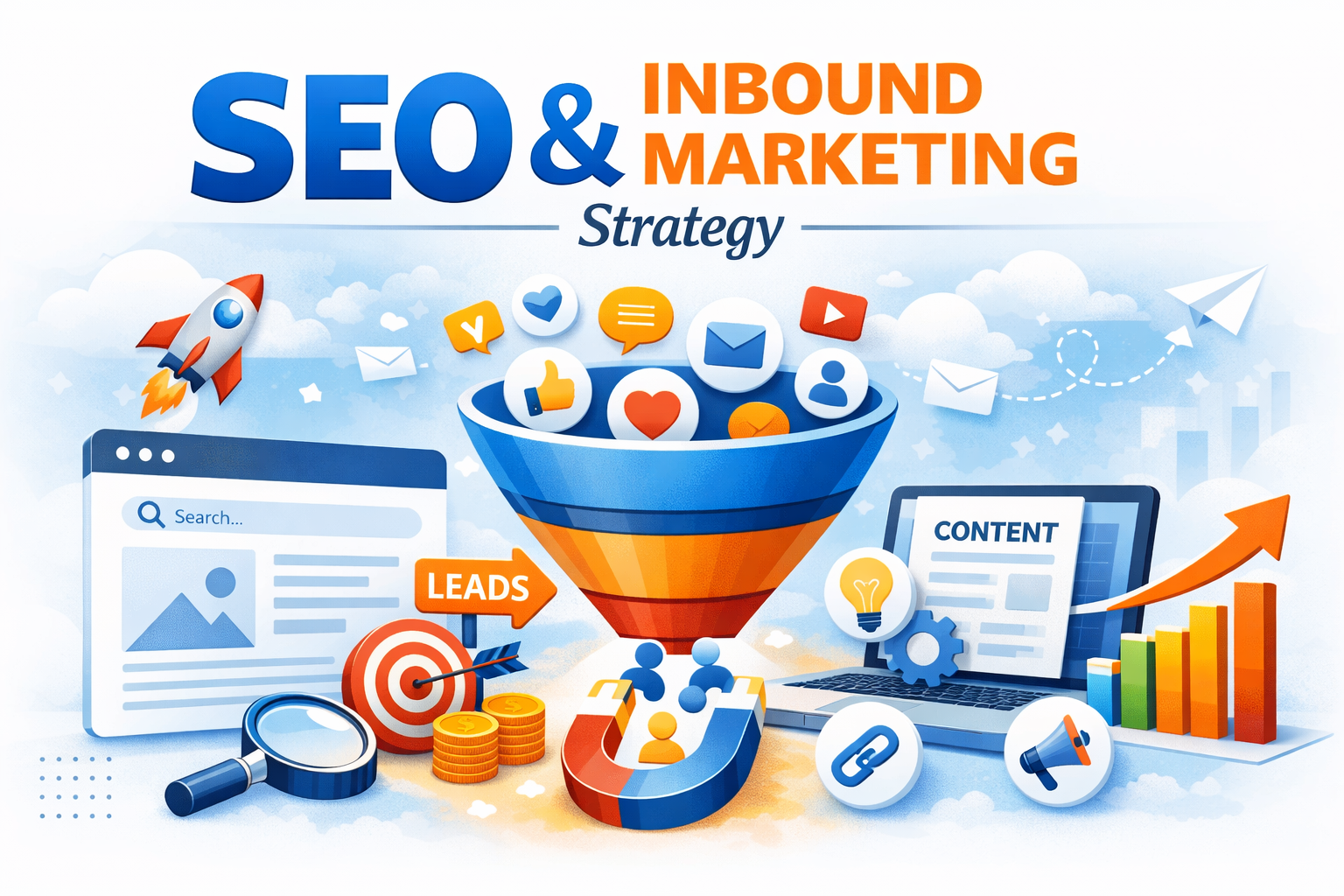
Old SEO was a funnel: get traffic, hope they convert. Inbound Marketing introduced the Flywheel, where happy customers fuel new growth.
Comprehensive search marketing integrates this by focusing on Post-Click Experience (PCE). Google now heavily weighs user signals—how long a user stays, whether they find their answer, and if they return. This means technical SEO (speed, schema) is now inseparable from Inbound UX (value, clarity, engagement).
The Comparison: Old SEO vs. New Inbound SEM
Feature |
Old-School SEO |
Comprehensive Inbound SEM (2026) |
| Primary Goal | High Rankings | Earning User Trust & Solving Problems |
| Key Metric | Keyword Positions | Helpful Content Score & Lead Quality |
| Content Style | Lengthy & Keyword-Dense | Structured, Scannable, & Authoritative |
| Format | Text-only Blogs | Multimedia (Video, Audio, AI-answers) |
| Philosophy | Hacking the Algorithm | Helping the Human |
Why “Comprehensive SEM” is the New Standard?
If you only do SEO (technical), you get visitors who bounce. If you only do Inbound (content), you have a library that no one can find. Comprehensive SEM is the marriage of the two. It includes:
Semantic Search
Semantic search shifts the focus from literal keywords to the underlying intent and contextual meaning of a query. In 2026, search engines analyze the relationships between words to provide more accurate results. By leveraging structured data and topical clusters, businesses can satisfy complex user needs, ensuring their content resonates with how humans actually think and communicate, rather than just matching phrases.
Digital PR
Digital PR is the modern evolution of link building, focusing on earning high-authority mentions through storytelling and data-driven insights. By securing placements in reputable news outlets and niche publications, you boost your brand’s E-E-A-T (Experience, Expertise, Authoritativeness, and Trustworthiness). This strategy goes beyond traditional SEO, driving referral traffic and building a credible digital footprint that search engines reward.
Multi-Platform Visibility
Today’s search journey is fragmented across various ecosystems, from YouTube and TikTok to voice assistants and AI-driven answer engines. Achieving multi-platform visibility means optimizing your content for where your audience lives. By diversifying your presence, you capture intent at every touchpoint, ensuring that your brand remains the top choice whether a user is scrolling social media or asking a smart speaker.
Conclusion
Ultimately, the evolution of SEO into Inbound Marketing represents a shift toward a human-centric digital ecosystem. By integrating semantic depth, authoritative digital PR, and presence across multiple platforms, brands move beyond mere visibility to genuine connection. This comprehensive approach ensures that search is no longer a technical hurdle, but a strategic bridge that meets users with exactly what they need, exactly when they need it.